


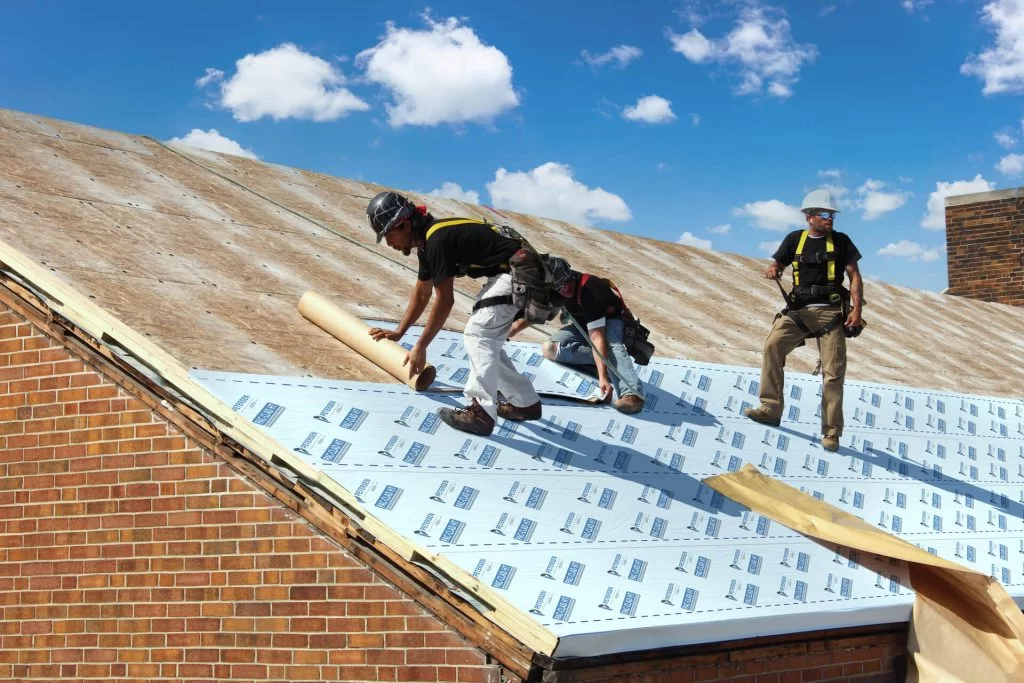
When you think about a roof, shingles or metal panels are probably the first things that come to mind. But underneath that visible exterior lies a crucial layer of protection that often goes unnoticed: the roof underlayment.
At TM Roofing & Construction Group, we believe educating homeowners is key to long-lasting roofing performance. In this blog, we’ll break down what underlayment is, why it matters, and how it impacts the longevity and durability of your entire roofing system.
Roof underlayment is a water-resistant or waterproof barrier installed directly over the roof deck before the final roofing material is applied. It serves as a secondary layer of protection that shields your home from:
Without a quality underlayment, your roof is vulnerable—even if your shingles are perfectly installed.
There are several types of underlayment, each with specific applications and benefits:
Even the best shingle system can fail under extreme conditions. Underlayment acts as your backup defense to keep water out.
By reducing moisture contact with the roof deck, underlayment helps prevent wood rot, mold growth, and premature aging of roofing materials.
Building codes in many areas require underlayment for all roofing projects. Proper installation ensures your project passes inspection and maintains warranty eligibility.
In cold climates, underlayment helps prevent ice dams by keeping melting snow from seeping under shingles and damaging your home.
Most major shingle manufacturers require specific types of underlayment to validate their product warranties. Skipping or using the wrong type can void coverage. At TM Roofing & Construction Group, we follow all manufacturer specs to ensure your warranty remains intact.
Installing underlayment may seem straightforward, but improper overlaps, wrinkles, or gaps can lead to major problems down the road. Our expert roofing team ensures precise application, correct fastening, and full coverage in all vulnerable areas.
Whether you're replacing your roof or building new, we’ll help you choose the right underlayment system tailored to your home’s needs and regional weather conditions.

Roof underlayment may be out of sight, but it should never be out of mind. It's one of the most important components of a high-performing roofing system—and it’s worth getting right.
Need a roof inspection or quote for replacement?
Reach out to TM Roofing & Construction Group today for expert service you can count on.
We love hearing from you, our team is always ready to chat with you!


